Next-level logging in just two lines
Log all the prompts, negative prompts, generated media, and configs associated with your experiment by simply including 2 lines of code. Here are the 2 lines of code to begin logging: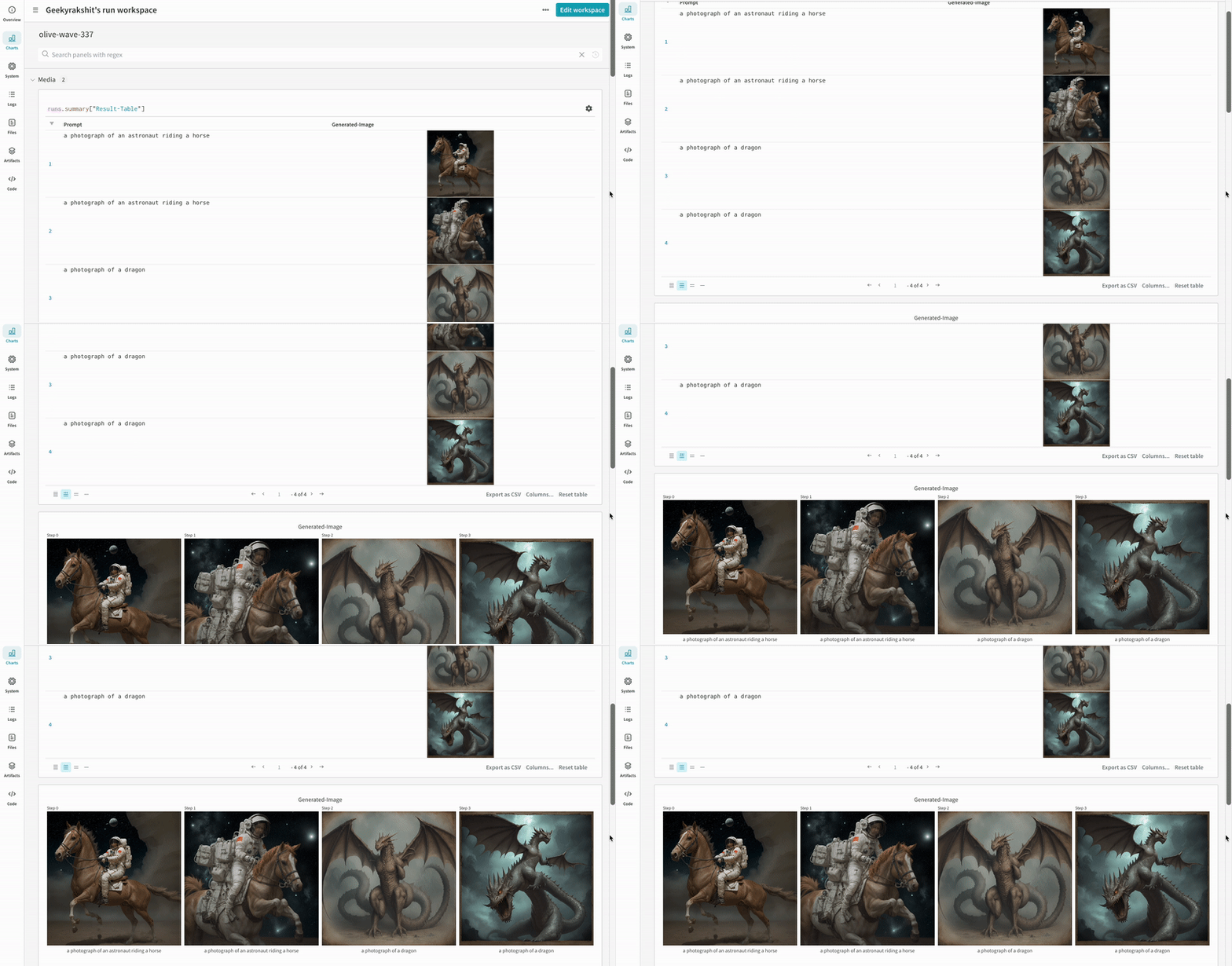
Get started
-
Install
diffusers,transformers,accelerate, andwandb.-
Command line:
-
Notebook:
-
Command line:
-
Use
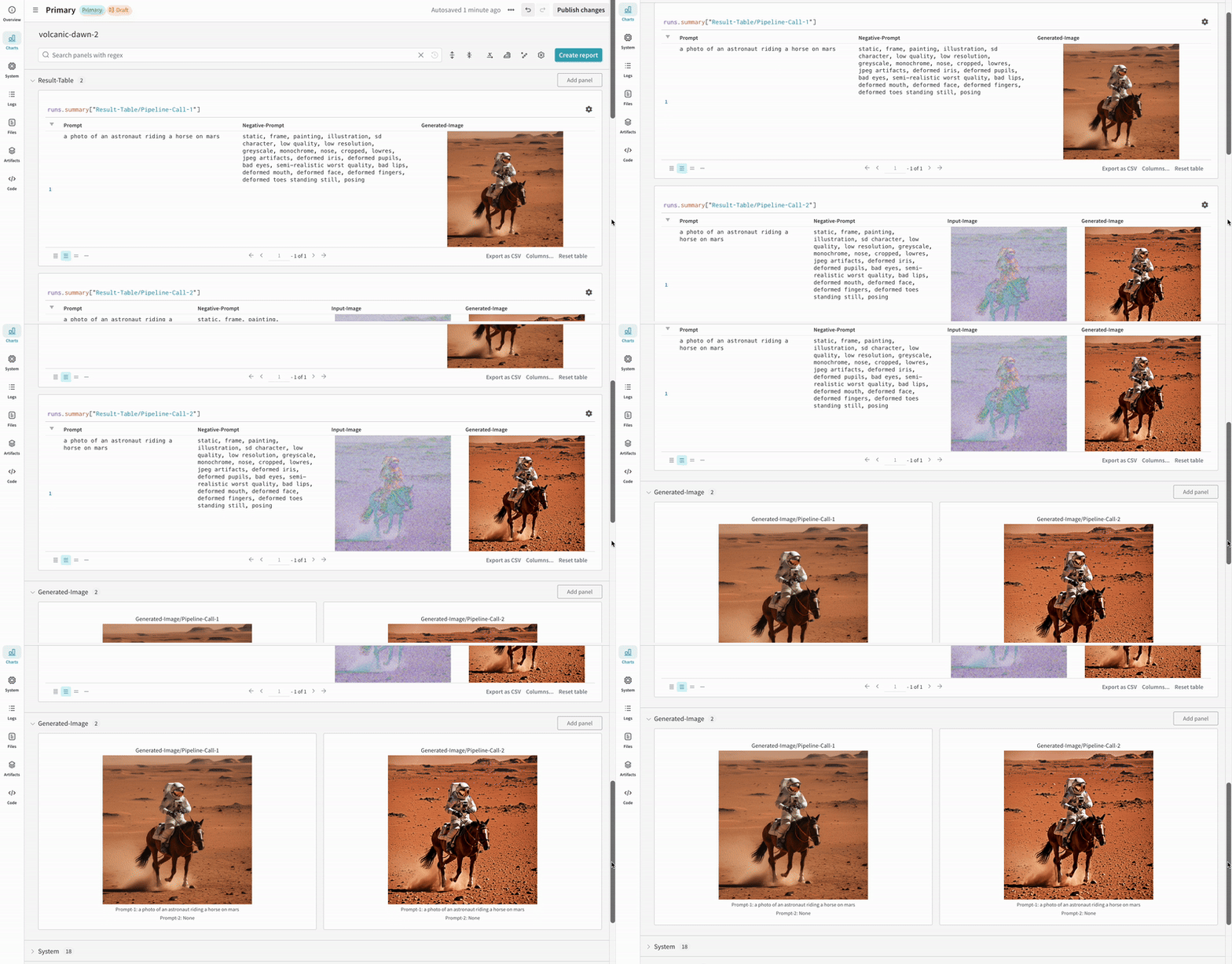
autologto initialize a W&B Run and automatically track the inputs and the outputs from all supported pipeline calls. You can call theautolog()function with theinitparameter, which accepts a dictionary of parameters required bywandb.init(). When you callautolog(), it initializes a W&B Run and automatically tracks the inputs and the outputs from all supported pipeline calls.- Each pipeline call is tracked into its own table in the workspace, and the configs associated with the pipeline call is appended to the list of workflows in the configs for that run.
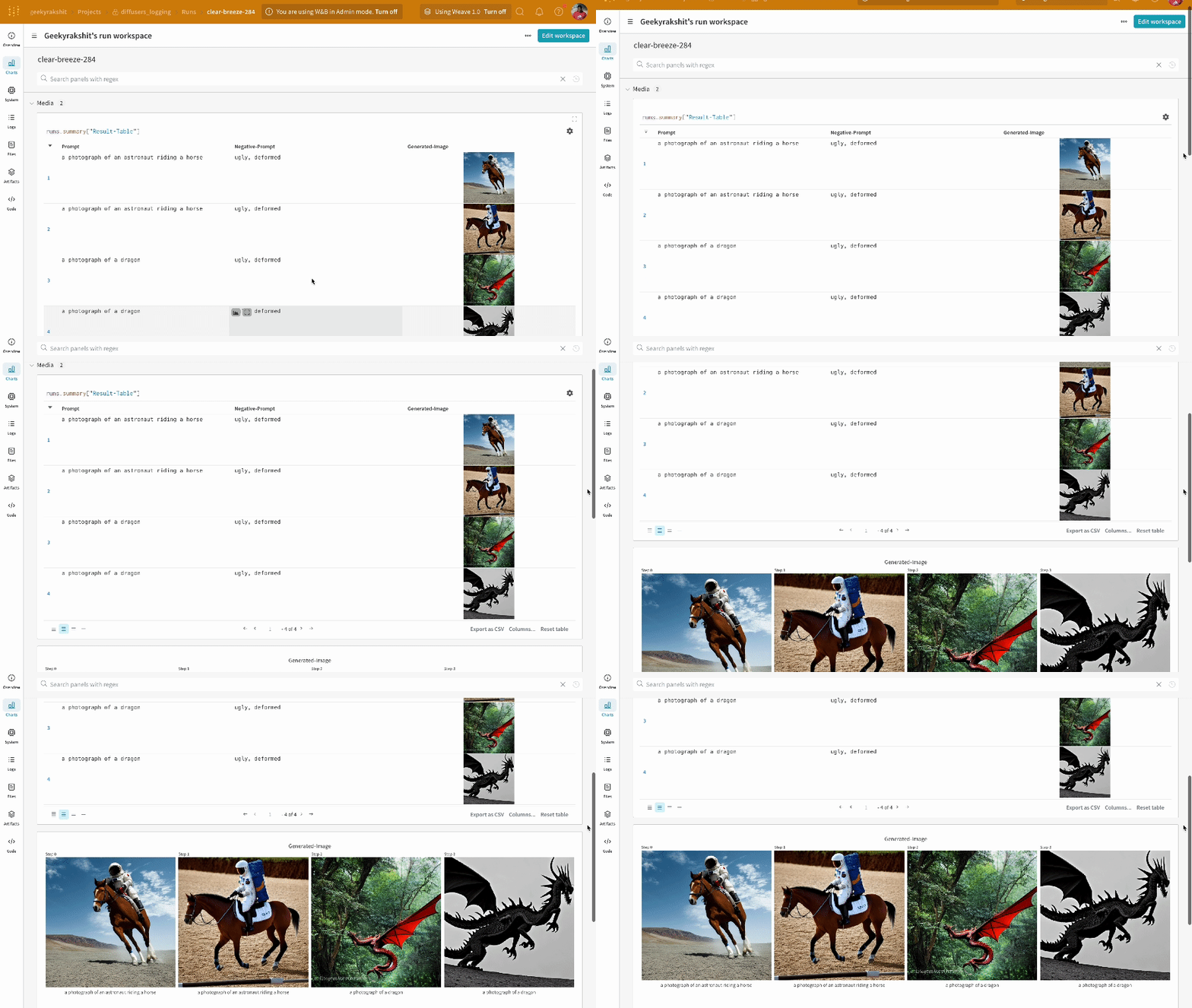
- The prompts, negative prompts, and the generated media are logged in a
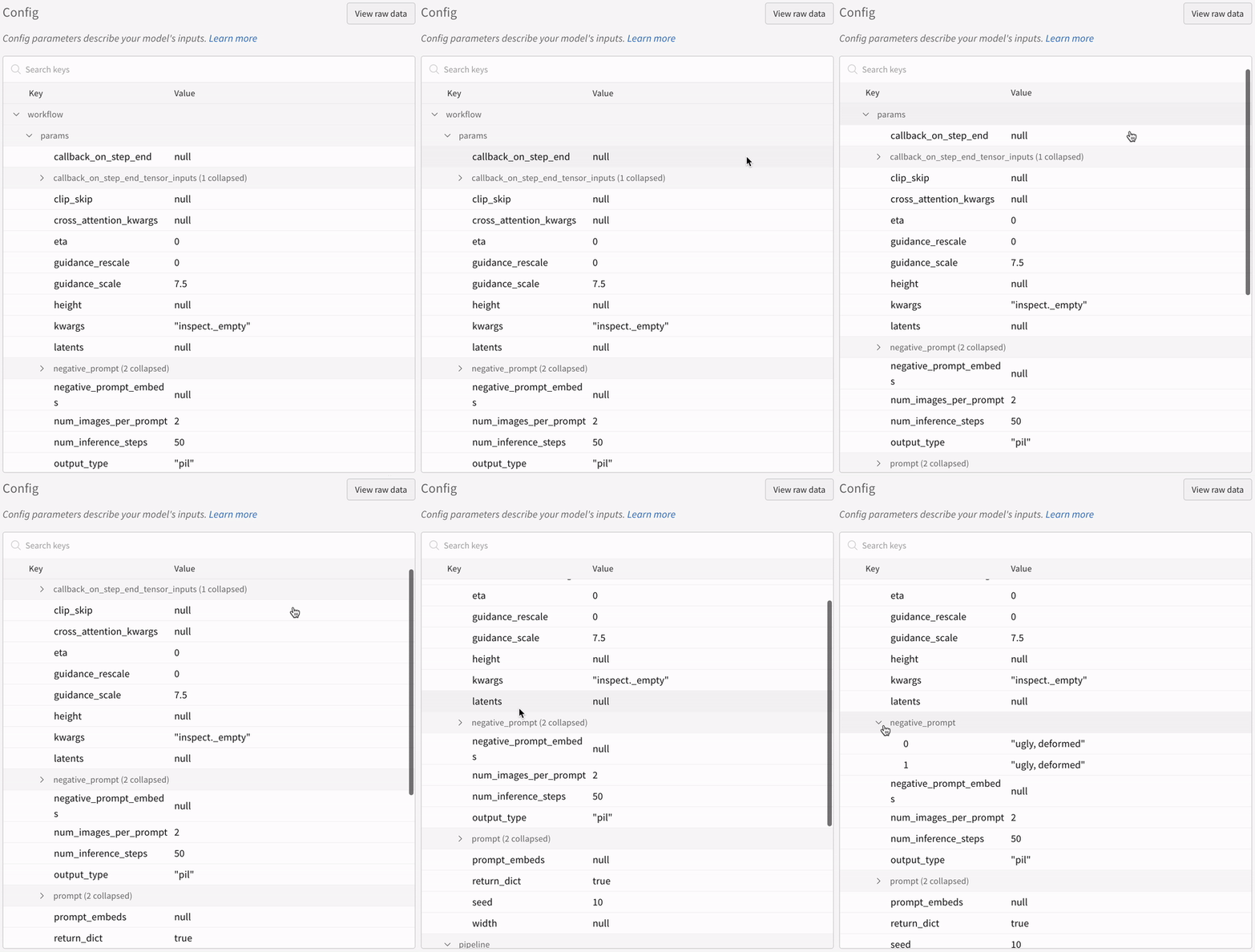
wandb.Table. - All other configs associated with the experiment including seed and the pipeline architecture are stored in the config section for the run.
- The generated media for each pipeline call are also logged in media panels in the run.
You can find a list of supported pipeline calls. In case, you want to request a new feature of this integration or report a bug associated with it, open an issue on the W&B GitHub issues page.
Examples
Autologging
Here is a brief end-to-end example of the autolog in action:- Script
- Notebook
-
The results of a single experiment:
-
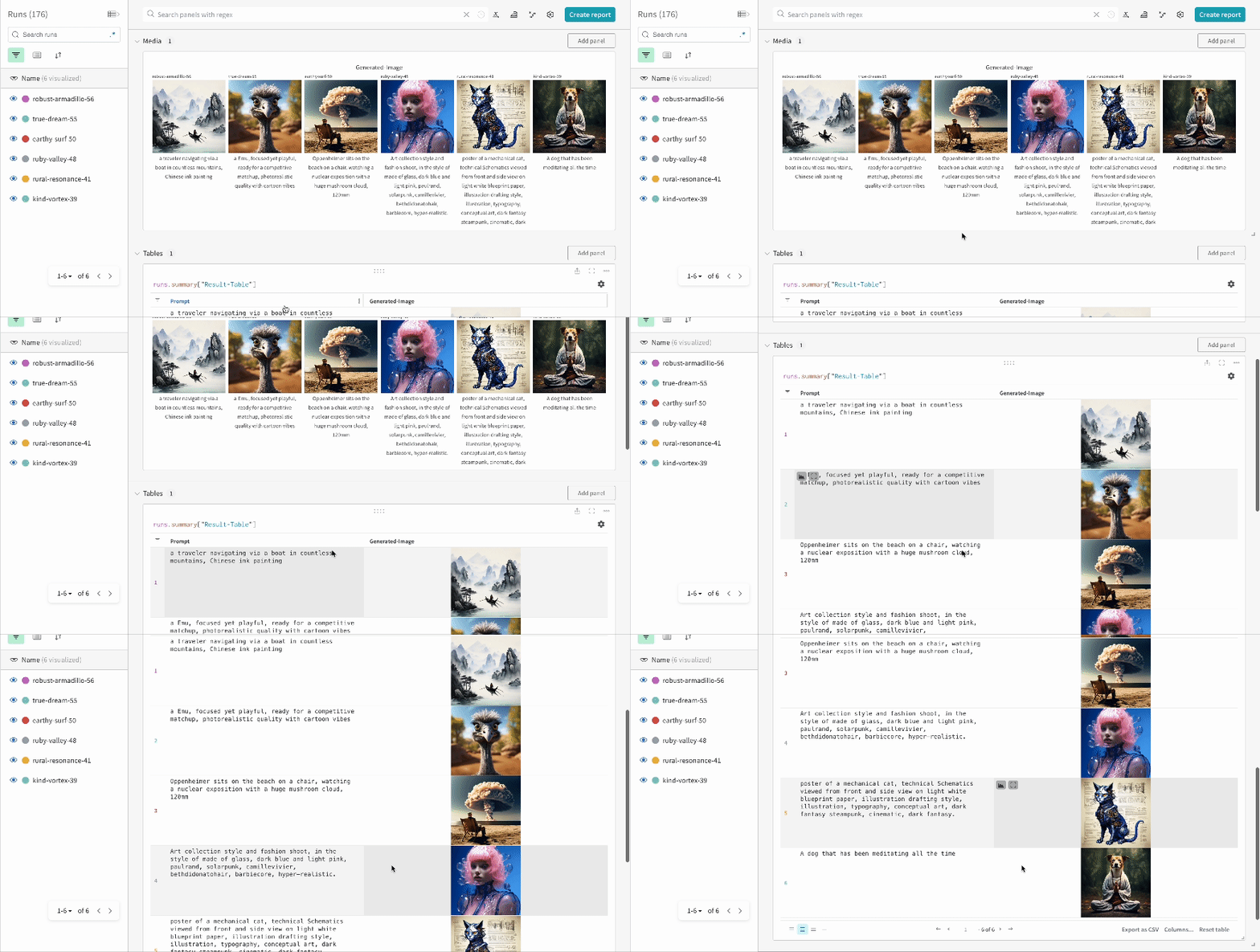
The results of multiple experiments:
-
The config of an experiment:
You need to explicitly call
wandb.Run.finish() when executing the code in IPython notebook environments after calling the pipeline. This is not necessary when executing python scripts.Tracking multi-pipeline workflows
This section demonstrates the autolog with a typical Stable Diffusion XL + Refiner workflow, in which the latents generated by theStableDiffusionXLPipeline is refined by the corresponding refiner.
- Python Script
- Notebook
- Example of a Stable Diffisuion XL + Refiner experiment: